
Nazar-e-Bad (Evil Eye): Islamic Teachings, Duas & Balanced Advice
Understand the Islamic view of the evil eye without fear or accusations, with authentic supplications and balanced everyday advice.
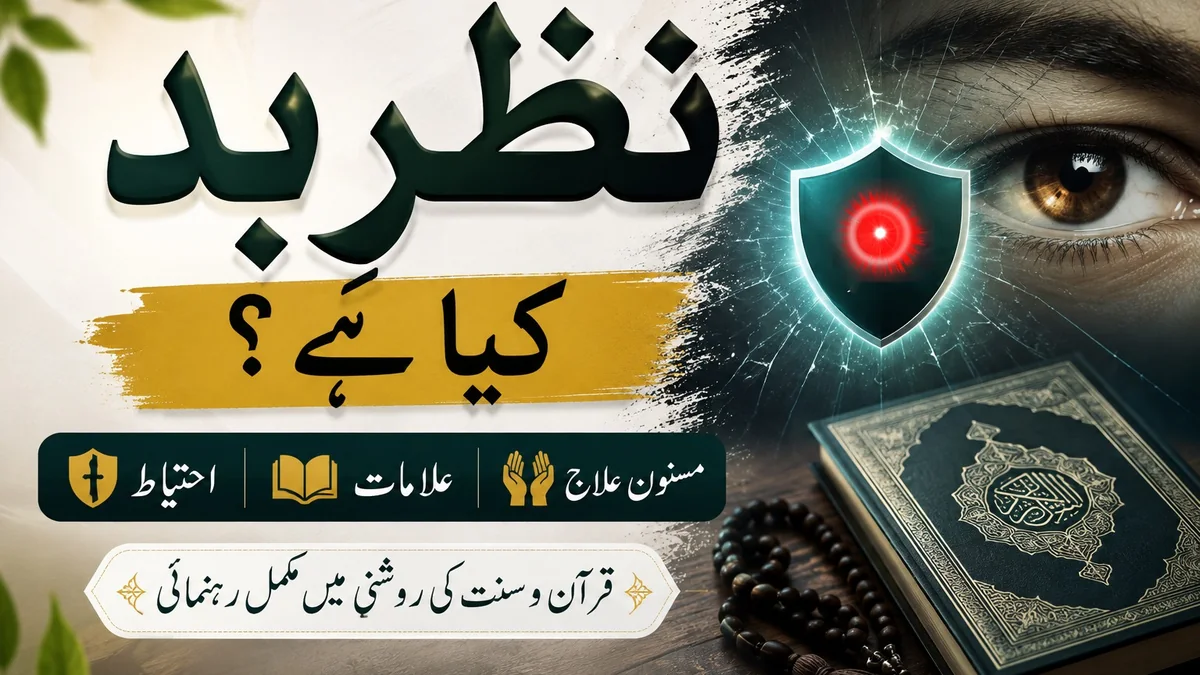
What is Nazar-e-Bad?
In Islamic teachings, the evil eye is mentioned in authentic hadith. The Prophet ﷺ stated that the evil eye is real, as reported in Sahih Muslim. This belief calls for remembrance of Allah and responsible conduct, not suspicion of everyone around us.
A difficult event, illness or unexpected setback is not proof that another person caused harm. Accusing others without evidence can damage relationships and increase anxiety.
Daily prayers and remembrance
Muslims commonly seek protection by reciting Surah Al-Ikhlas, Al-Falaq and An-Nas, remembering Allah in the morning and evening, and making sincere supplication. These are faith-based practices that may bring personal reassurance and spiritual focus.
Maintain regular prayer, gratitude and good conduct. Spiritual protection should be approached with humility rather than with alarming predictions or commercial promises.
Avoid fear-based practices
Be wary of claims that someone can identify the exact person who caused an evil eye, or that expensive objects or secret rituals guarantee protection. Seek guidance grounded in trustworthy Islamic sources.
If a child or adult is ill, treat their symptoms seriously rather than assuming a spiritual explanation. Prompt professional medical assessment can be important.
When to seek additional support
Persistent fear, sleeplessness, anxiety or physical symptoms deserve appropriate professional support. A medical assessment and spiritual supplication can coexist respectfully.
Shifa Ul-Dahar offers confidential enquiries about permissible supplications and spiritual guidance. No outcome should be represented as guaranteed.
A PRIVATE CONVERSATION
Have a personal question?
Contact our team for responsible guidance or questions about traditional products.
Ask on WhatsApp